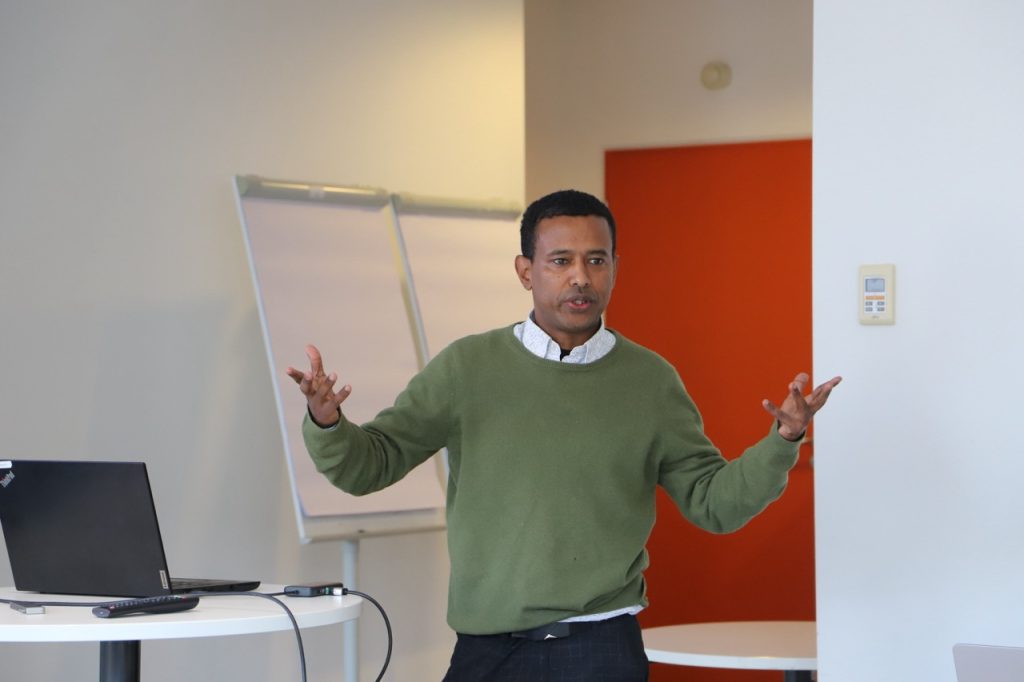
Workshop: Prompting Ethnography: Experiments with LLMs in Fieldnotes, Analysis, Writing, and Reflexivity (29 October)

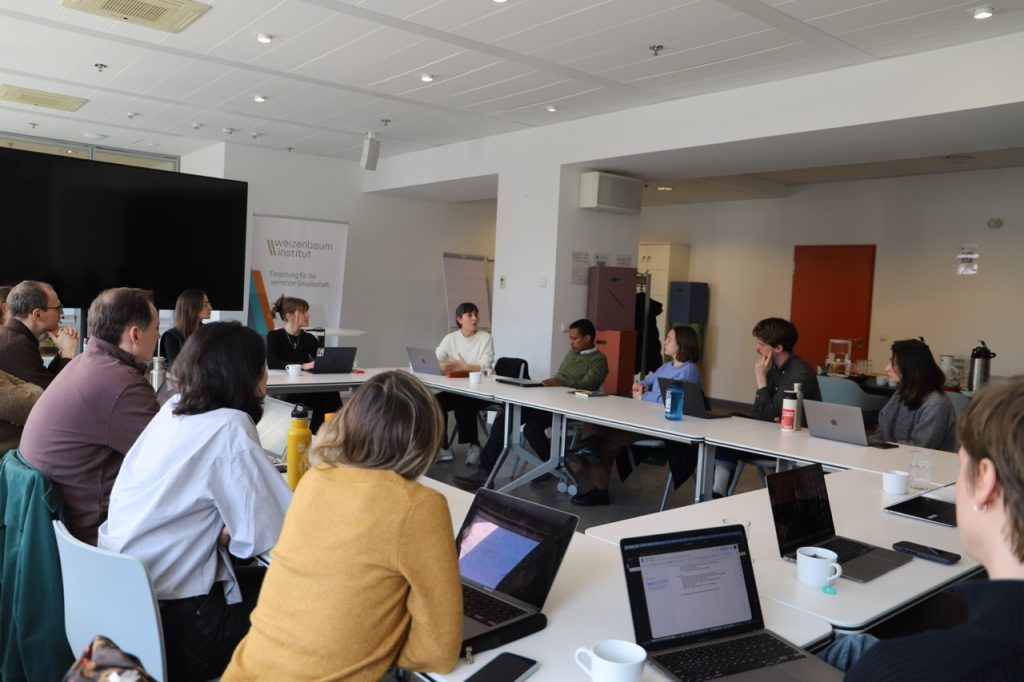
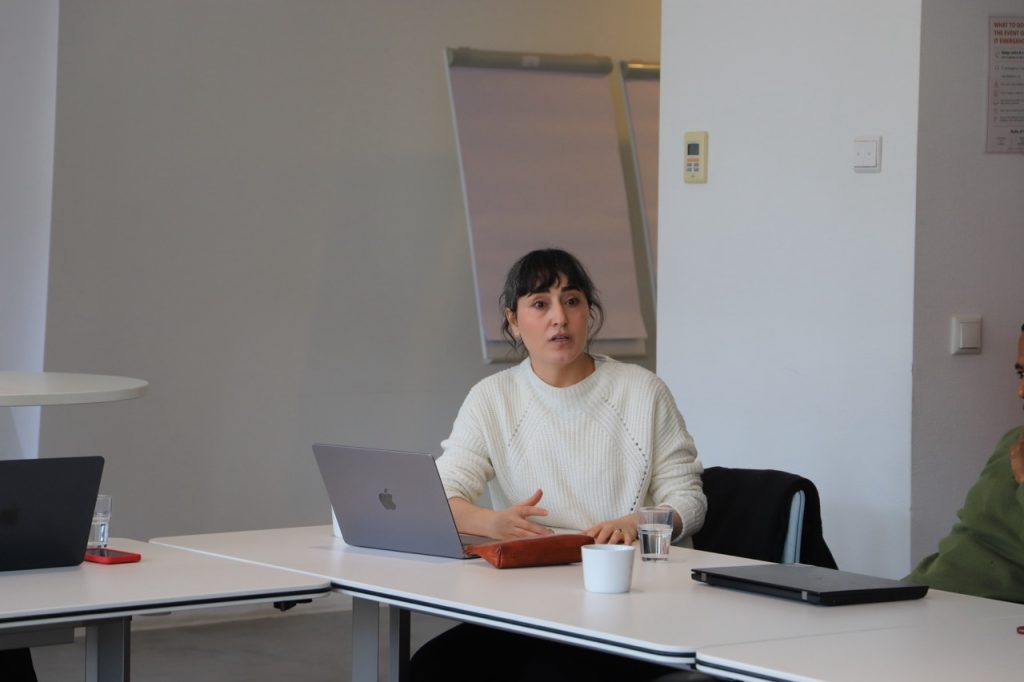
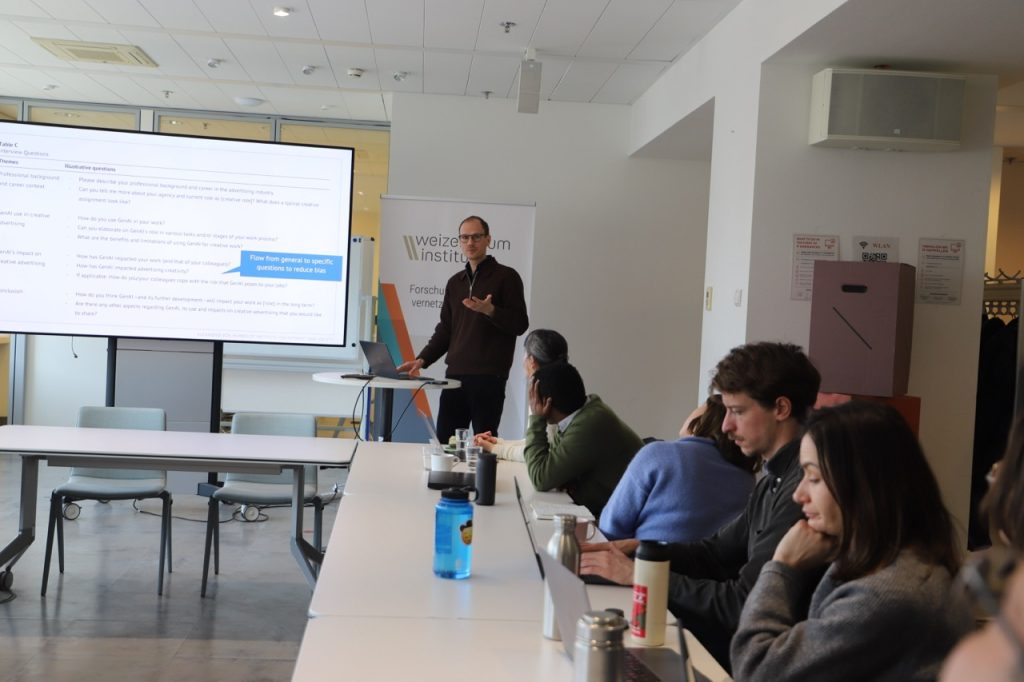
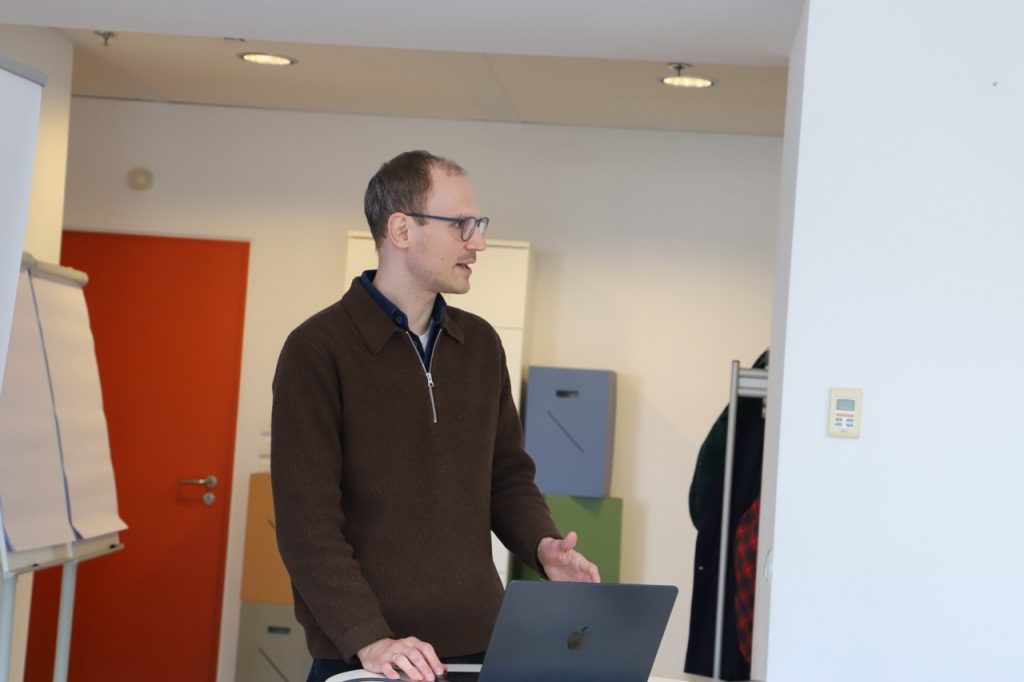
Join us for the workshop „Prompting Ethnography: Experiments with LLMs in Fieldnotes, Analysis, Writing, and Reflexivity“ for researchers and students with intermediate experience in ethnography who would like to explore and critically discuss the potential role of AI in ethnographic research. The workshop will take place on October 29, 2026 (10am–2pm) at the Weizenbaum Institute in the Flexroom (A1_04), and will be led by Prof. Dr. Paula Bialski (University of St. Gallen & WI) and Prof. Dr. Götz Bachmann (University of Siegen). This workshop is organized by the Weizenbaum PhD Network “Research in Practice”, coordinated by Katharina Berr and Jana Heim, and supported by the Weizenbaum Methods Lab.

What could AI offer in ethnographic research and where does it flatten, overinterpret, invent, or produce false coherence and what new forms of reflection become necessary and possible? In this experimental and hands-on workshop participants will work through  exercises involving scribbles, diary writing, analytical interpretation, essay drafting, and reflection. We will examine how LLMs can act as interlocutors, critics, and writing partners, sometimes through deliberately assigned roles, while also asking how researchers can retain responsibility for what is generated, revised, accepted, or rejected. The workshop is especially relevant for doctoral researchers, ethnographers, qualitative researchers, and teachers interested in AI and methodology. Participants are invited to bring short excerpts from their own scribbles, fieldnotes, or research memos, although sample material can also be provided.

The event is hybrid. It is open to QPD. To learn more, please visit our program page. We look forward to welcoming you!
Workshop recap: Introduction to LaTeX and Overleaf

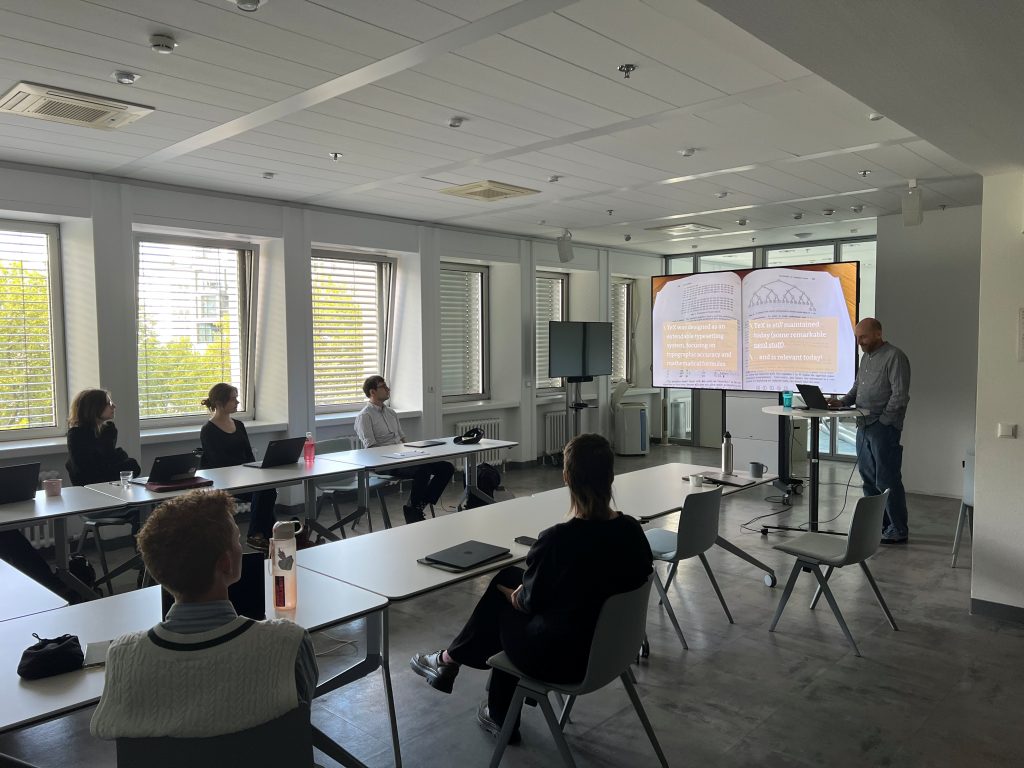
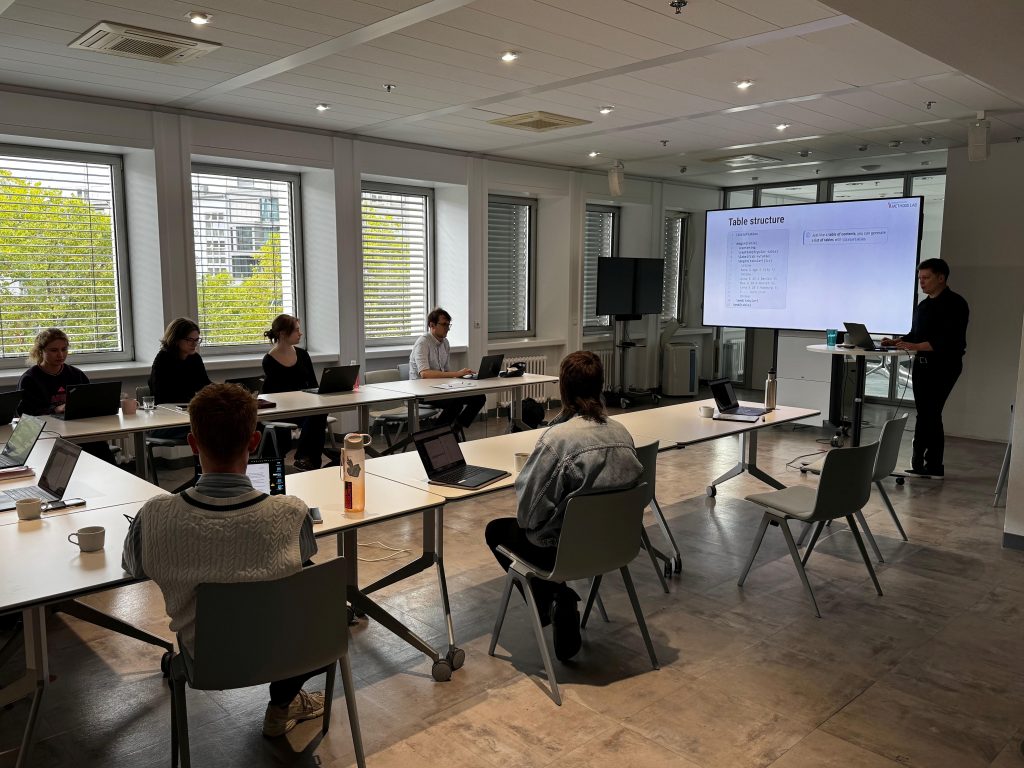
On September 10, 2026, Roland Toth (Methods Lab) and Jochen Knaus (Research Management) hosted the workshop Introduction to LaTeX and Overleaf at the Weizenbaum Institute. This hands-on session introduced participants to the fundamentals of LaTeX and the collaborative online platform Overleaf, equipping researchers with essential tools for precise, reproducible, and professional scientific writing.

In the first part, LaTeX’s origins were traced back to Donald E. Knuth’s 1978 creation of TeX, born from frustration with poor digital typesetting. Built on TeX, LaTeX separates content from formatting, letting authors focus on structure while the system handles layout – a principle still vital for academic writing, math-heavy documents, and long-form research. This part highlighted key advantages of LaTeX over traditional word processors like Microsoft Word or Google Docs:

  • Plain text source files ensure version control, reproducibility, and compatibility with modern data science workflows.
  • Automated PDF generation from source code allows seamless integration with tools like R Markdown, Quarto, Sweave, and PyLaTeX.
  • Robust support for citations and bibliographies via BibTeX and reference management tools (e.g., Zotero, Mendeley).
  • AI-friendly format: vast corpora of scientific literature in LaTeX are widely used to train generative AI models.

Participants were then introduced to Overleaf, the web-based LaTeX editor, which offers real-time collaboration, cloud storage, and a user-friendly interface – ideal for both beginners and experienced users. The Weizenbaum Institute’s own secure instance at https://overleaf.weizenbaum-institut.de was emphasized as a privacy-conscious alternative to the public version, which can also be used to collaborate with multiple people without requiring licenses. The core of the workshop was a hands-on exploration of LaTeX syntax and document structure. Throughout the session, participants were guided through practical exercises for each technique. Participants learned how to:

  • Set up a new project, manage files, and use the Overleaf interface
  • Structure documents and format text
  • Create structured content using sections, subsections, and subsubsections
  • Insert lists, tables, and figures with captions and labels
  • Cite literature systematically using .bib files
  • Troubleshooting common errors such as missing braces, undefined labels, and incorrect file paths.

In the final segment, participants were given an opportunity to convert the format of a sample paper using a journal template, which is a typical task in scientific writing and publishing.

Participants left with a working knowledge of LaTeX and Overleaf, and the confidence to begin writing their next paper, thesis, or proposal in a format ensuring precision, consistency, and long-term sustainability.

Workshop: Introduction to LaTeX and Overleaf (September 10, 2026)

Join us for the workshop Introduction to LaTeX and Overleaf on September 10, 2026, where Roland Toth and Jochen Knaus will introduce participants to the use of Latex through Overleaf for scientific and technical writing. This workshop is organized by the Methods Lab and Research Management at WI.

LaTeX is a typesetting system and markup language for scientific and technical writing with many advantages over Microsoft Word and similar software packages. Overleaf, which is hosted as a web service at the Weizenbaum Institute, enables collaborative writing projects using LaTeX. This workshop introduces participants to the basics of Overleaf (e.g., setting up an account, creating a project, collaboration, and file management) and to the fundamentals of LaTeX (e.g., formatting, packages, and citations). Participants will have the opportunity to apply what they have learned within a small project.

The workshop is designed for researchers (and student assistants) who have no/limited experience with LaTeX/Overleaf.

Seats are limited. To learn more, please visit our program page. We look forward to welcoming you!

The Methods Lab at the 76th Annual ICA Conference in Cape Town, South Africa

Over 4,000 communication scholars from around the world gathered in Cape Town, South Africa, from 4-8 June 2026 for the 76th Annual Conference of the International Communication Association (ICA). This years theme, “Communication and Inequalities in Context,” invited researchers to examine how communication structures reflect, reproduce, and respond to social inequalities, such as unequal access to information, digital divides and power dynamics that influence knowledge production in communication research.

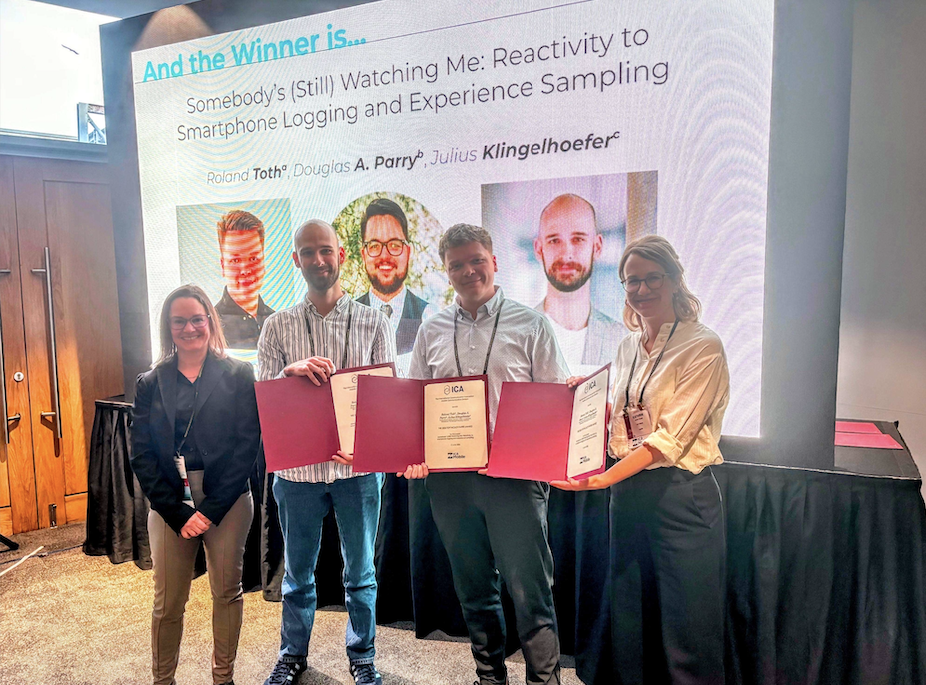
The Weizenbaum Institute was represented by several researchers who presented their work. A special congratulations goes to Roland Toth from the Methods Lab, who received the Mobile Communication Top Paper Award. His award-winning paper, co-authored with Douglas A. Parry (a Methods Lab research fellow) and Julius Kingelhoefer, examines reactivity effects resulting from providing access to Android event logs and participating in Mobile Experience Sampling studies, contributing to a better understanding of how research methods can influence participants’ smartphone use.

The award recognizes the international impact of Weizenbaum research and marks another successful ICA 2026 for the institute, where researchers also had the opportunity to encounter some of South Africa’s cutest wildlife (see the penguins pictured below).

Workshop Recap: Walking Through and Scrolling Back: Digital Ethnographic Methods for Platform Research

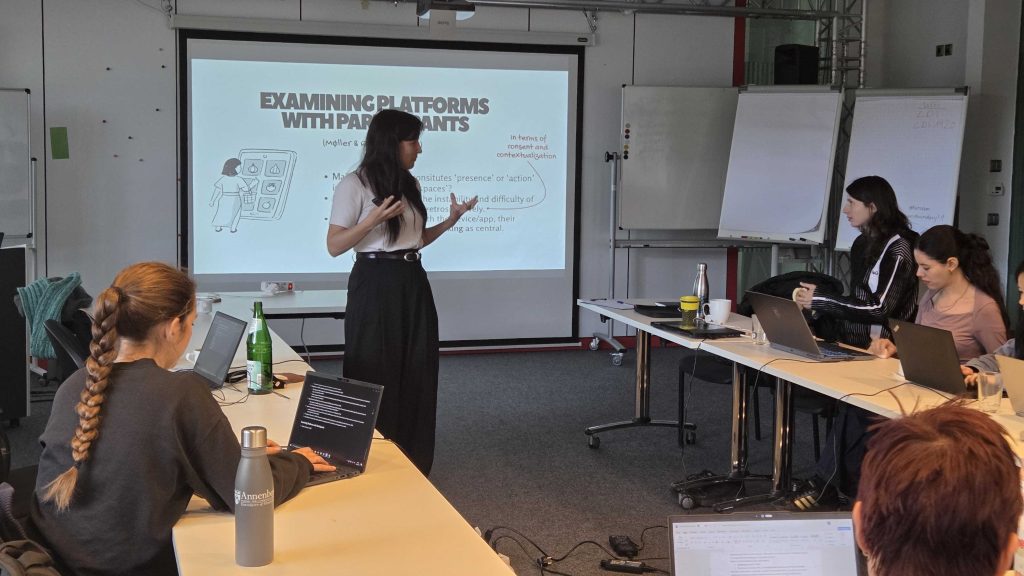
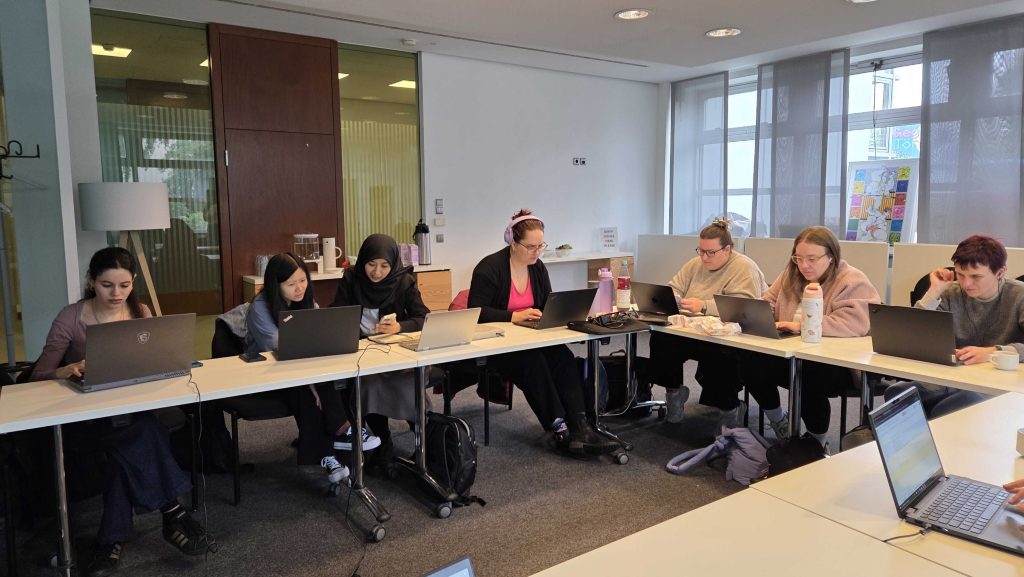
Researchers from Freie Universität Berlin and Weizenbaum Institute gathered on May 12-13, 2026, for a workshop on digital ethnography jointly organized with the DiMES and Methods Lab.

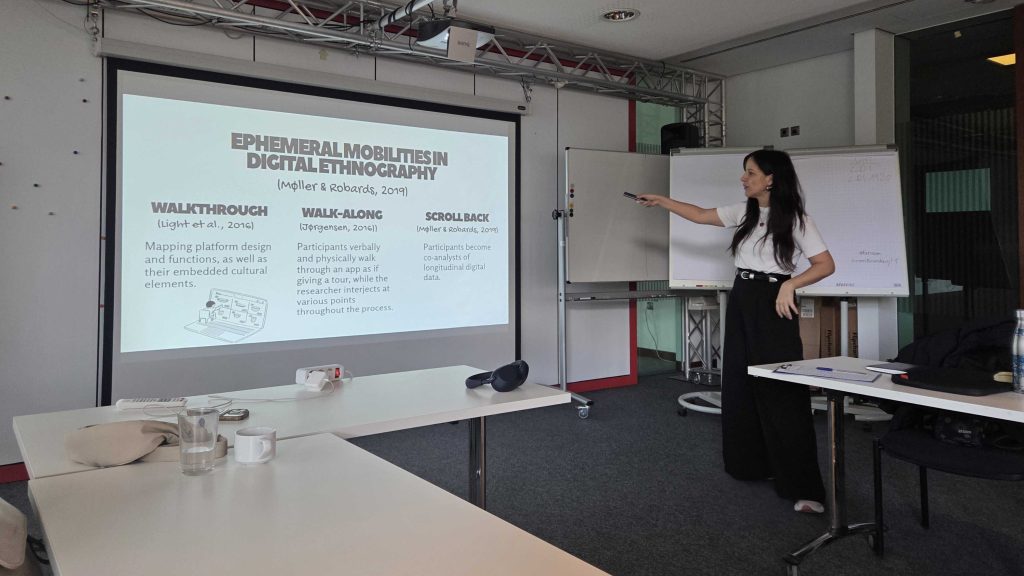
The workshop introduced the theoretical foundations of digital ethnography and explored a range of methodological approaches, including walkthrough, walk-along, and scroll-back techniques, alongside hands-on exercises focused on the platforms TikTok and Instagram. The workshop was led by Dr. Daniela Jaramillo-Dent (University of Zurich and Università della Svizzera italiana).

Participants learned about conducting digital ethnographic research on social media platforms and explored how platform affordances and vernaculars shape online behavior, engagement, and forms of connection, with particular attention to marginalized communities and hard-to-reach groups. Through guided walkthrough exercises examining digital platforms, researchers reflected on field note-taking, multimodal analysis, reporting practices, and different approaches to sampling social media content. The subsequent scroll-back exercise focused on user-centered research approaches, incorporating users into the study process, and interviewing research participants.

Discussions emphasized the importance of researcher positionality and reflexivity in digital ethnographic research, as well as researcher well-being, informed consent, and the well-being of research participants. Overall, the workshop provided practical methodological tools and critical perspectives for conducting ethically grounded digital ethnographic research on platforms.

Workshop Recap: Introduction to Content Management System Open Paper

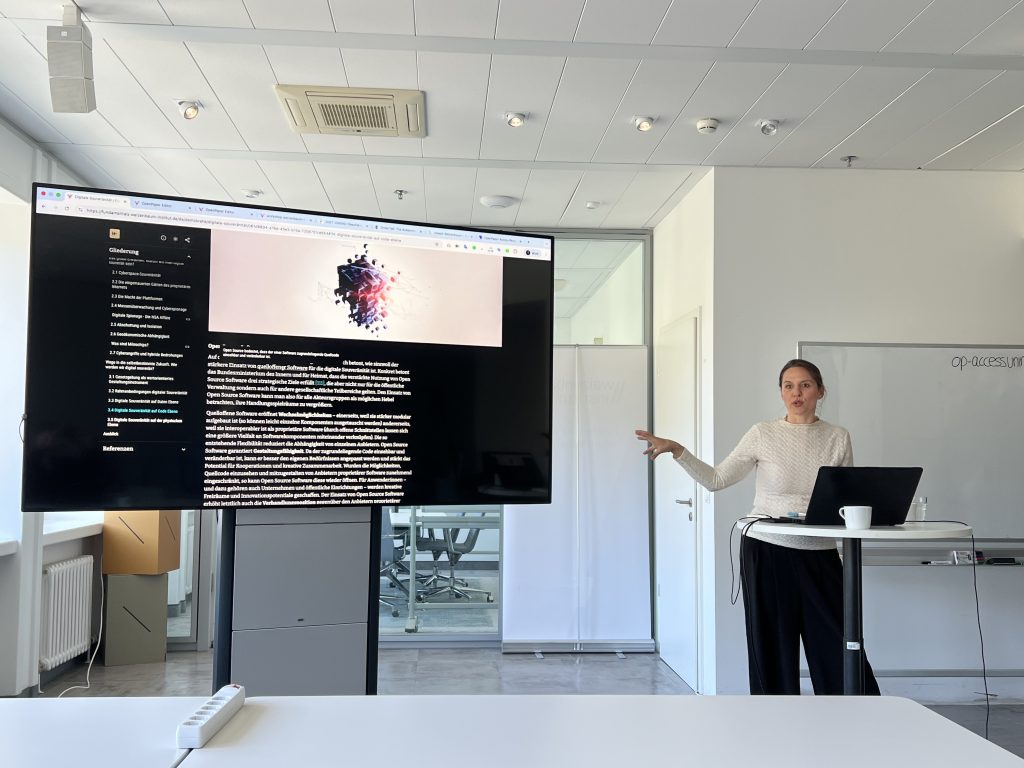
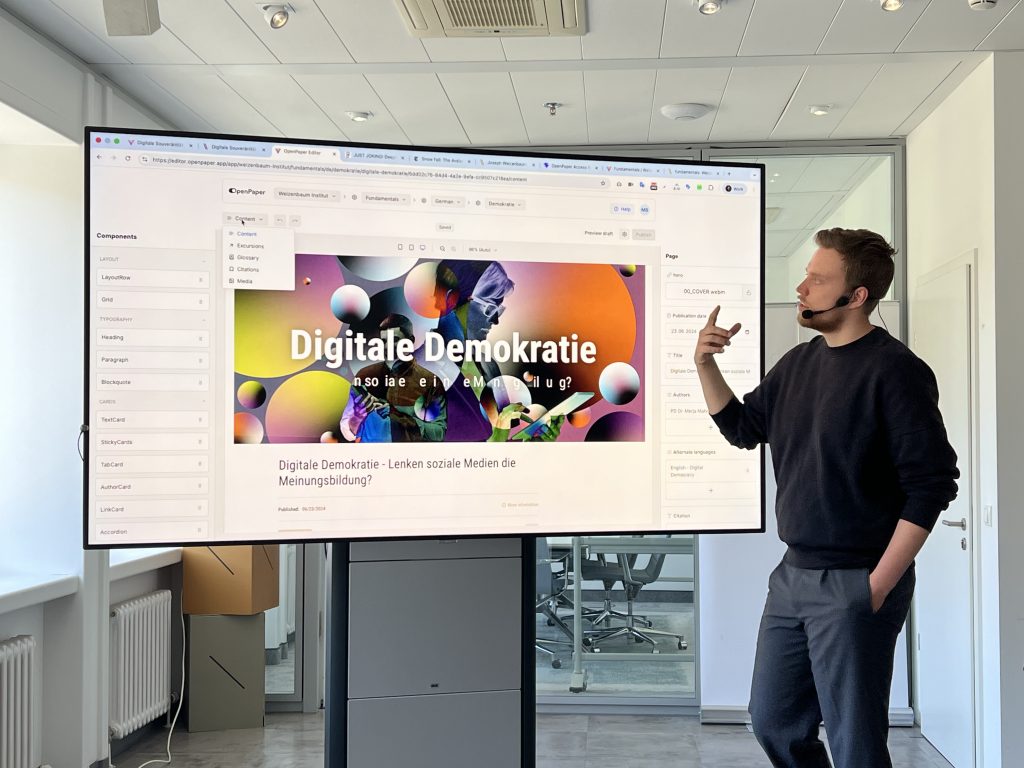
On April 28, 2026, researchers from the WI gathered for an engaging workshop introducing Open Paper – a next-generation content management system designed to break free from the constraints of traditional publishing formats. The session centered on a core idea: knowledge shouldn’t be confined to linear, static documents. Instead, Open Paper enables dynamic, interactive publications that adapt to how readers actually engage with content. By replacing rigid PDFs and blog posts with modular, navigable experiences, the platform empowers authors to create richer, more intuitive reading experiences. The workshop was organized by Merja Mahrt and Esther Görnemann from WI together with the Methods Lab, and Markus Brandenburg and Fabian Hassel from the agency that has developed Open Paper – MADEFUL – were invited as speakers.

In the workshop, participants explored how Open Paper transforms static text into living publications. Through a hands-on demo, they discovered features like:

  • Modular content blocks (text, multimedia, citations, sticky notes, animations)
  • Flexible layouts with multi-column arrangements and responsive design
  • Interactive expositions that allow readers to dive deeper into subtopics while maintaining context
  • Self-contained chapters that make content accessible even when read out of order

The real impact was seen in an overview over digital sovereignty as part of the Weizenbaum fundamental series – a flagship example of what’s possible. With interactive visuals, side-by-side comparisons, and layered explanations, the publication achieved an average reader engagement of 26 minutes, which is a clear indicator of depth and interest. Even more telling: traffic increasingly comes from AI tools like ChatGPT, signaling that the content is not only readable but reusable and referable in emerging digital workflows.

Beyond design, Open Paper was built on strong ethical and technical foundations: open source, open access, GDPR-compliant, CO₂-neutral hosting, SEO-friendly, and fully accessible. Like the Weizenbaum Institute, other institutions can also deploy a custom instance aligned with their corporate design, ensuring brand consistency and long-term ownership.

The workshop’s interactive phase let participants discover how to build a page in real time using a three-panel interface:

  • Left: Structure and layout tools (grid, headings, visual elements)
  • Center: Live preview of content and layout
  • Right: Contextual editing options for the selected element

Beyond the workshop itself, the presenters further created a tutorial video made available on the WI’s Open Paper instance.

Rather than offering a one-size-fits-all template, Open Paper encourages authors to think critically about audience, structure, and engagement. It represents a shift in how we think about knowledge sharing: interactive, inclusive, and built for the future.

Conference Recap: “Data, Archive & Tool Demos” at DGPUK 2026

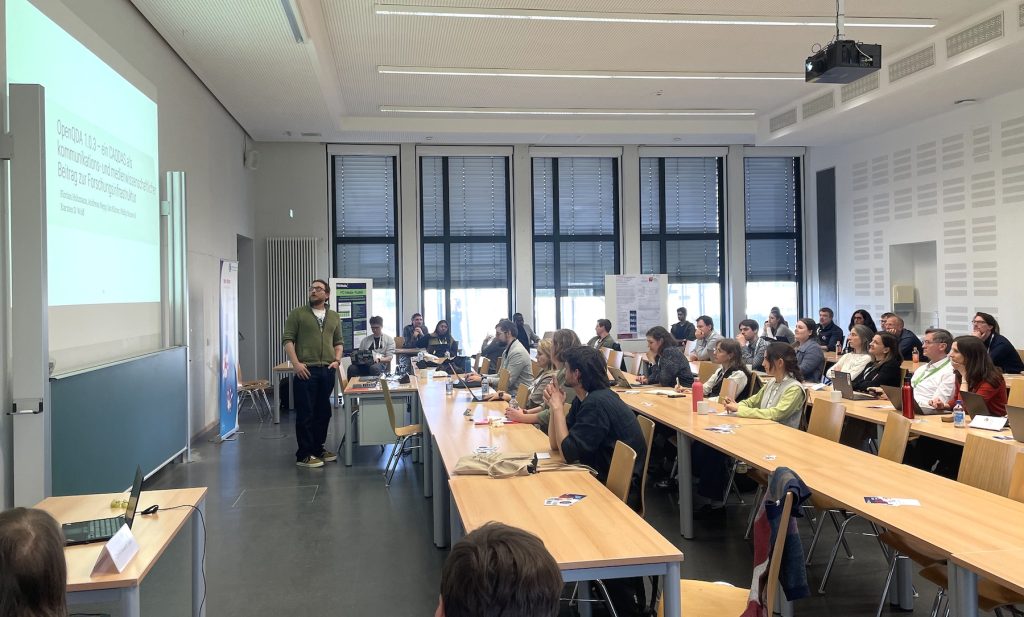
On March 19, 2026, the “Data, Archive & Tool Demos” panel returned at the annual conference of the German Communication Association (DGPuK) in Dortmund. Co-hosted by the Methods Lab lead Christian Strippel, colleagues and the GESIS Methods Hub, the panel brought together researchers to present and exchange reusable research data sets, archives, collections, and research software that promote transparency, collaboration, and methodological innovation in communication and media studies.

A total of 12 projects were presented, including the Platform Governance Archive, OpenQDA, the GESIS Pretest Database, the German Scandal Database, FID Media Publish, and a community data trustee for researching the far right online. The projects were first introduced in short presentations. Afterwards, interested colleagues from the audience could learn more about each project at poster and demo stations. As was the case two years prior, interest in the format was very high. This motivates us to continue offering this format in the future.

Workshop Recap: Reflections on Qualitative Interviews in Practice

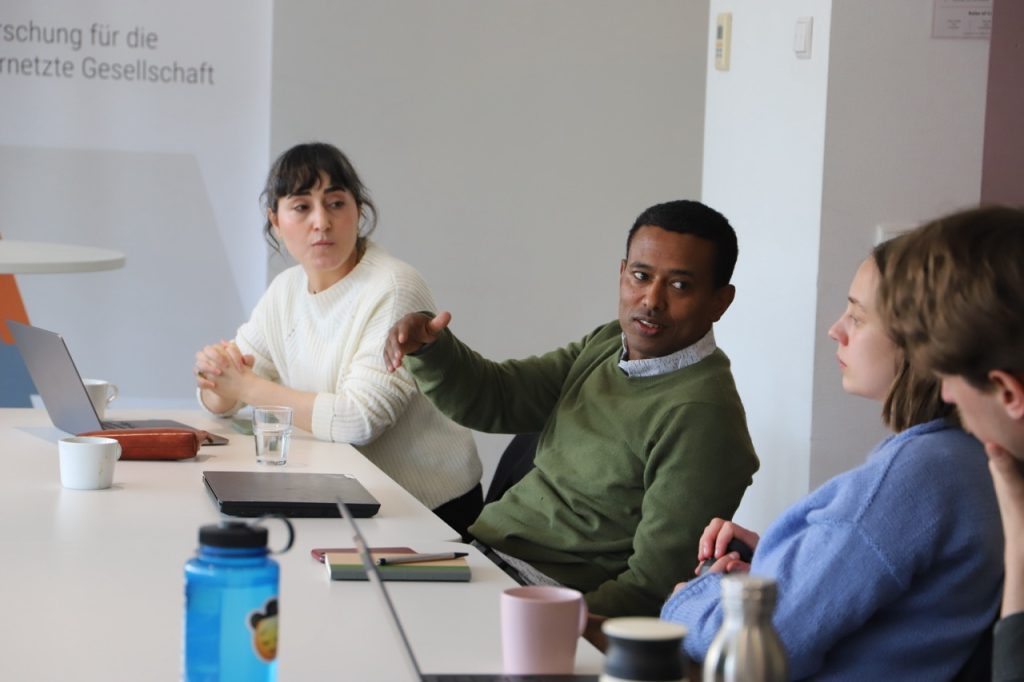
On March 19th, PhD researchers and postdocs from the WI, together with colleagues from partner institutions including DeZIM, FU Berlin, and WBZ, participated in a hands-on workshop on qualitative interviews as a method of data collection. With participants at different stages of their academic careers, the workshop offered a lively and collaborative space to reflect on both the practical challenges and methodological nuances of interview-based research.

The session began with short inputs from Zozan Baran (FU Berlin), Samuel Zewdie Hagos (DeZIM), and Georg von Richthofen (HIIG). Drawing on their own research experiences, they shared insights into what makes qualitative interviews both rewarding and demanding. Meaningful interviews are not only about asking the “right” questions, but also about building trust, remaining reflexive, and approaching the research process with care and attentiveness.

A recurring theme throughout the workshop was positionality: how researchers are perceived, how they position themselves, and how this shapes the interview situation. While shared language or similar backgrounds can help establish rapport, the speakers emphasized that these factors do not erase existing asymmetries. Instead, they highlighted the importance of continuously reflecting on expectations, power dynamics, and vulnerabilities on all sides of the interaction.

This kind of reflection, participants noted, starts well before entering the field. Engaging deeply with theory and existing literature was framed as essential preparation – captured in the idea of approaching interviews with “an open mind, but not an empty head.”

Beyond interview design, the workshop also explored the broader conditions under which interviews take place. Discussions addressed practical considerations such as the choice of setting (online vs. in person) and how each shapes the interaction. Ethical questions also played a central role, particularly when working with sensitive or potentially traumatic topics.

In the moderated discussion that followed, participants connected these themes to their own research projects. Conversations around locality, navigating difficult situations, and managing the emotional demands of working with vulnerable groups led to a rich exchange of perspectives and strategies.

Rather than offering a fixed set of rules, the workshop highlighted the iterative nature of qualitative interviewing: analyze, adapt, and refine. 

Special Panel: “Data, Archive & Tool Demos” at DGPUK 2026 Conference

The “Data, Archive & Tool Demos” panel featured at the 2024 conference of the German Communication Association (DGPuK) will return at this year’s DGPuK conference in Dortmund. On Thursday, March 19, 2026, Methods Lab lead Christian Strippel will host this special panel together with Johannes Breuer, Silke Fürst, Erik Koenen, Dimitri Prandner, and Christian Schwarzenegger, in collaboration with the GESIS Methods Hub.

The panel aims to exchange reusable research data, archives, collections, and relevant research software that strengthen transparency, collaboration, and methodological innovation in communication and media studies. Some of the featured projects include: 

  • MaskBench: a modular framework for benchmarking 2D pose estimation and video de-identification, allowing comparison of models on privacy-masked videos
  • Epigraf 5.2: a research platform for collecting, annotating, linking, and publishing multimodal text data
  • GESIS Pretest-Datenbank: a database providing insights from cognitive pretests, showing how respondents understand, interpret, and answer survey questions for improved questionnaire design 
  • GESIS AppKit: a mobile data collection tool for smartphones, compliant with data protection regulations and free of charge, supporting experience sampling, ambulatory, and ecological momentary assessments
  • GESIS Methods Hub: an open community portal giving tools, tutorials, and interactive environments to explore and apply computational methods
  • OpenQDA 1.0.3: the improved version of the free, open-source, web-based alternative to MAXQDA, providing flexible and collaborative tools for qualitative data analysis
  • Platform Governance Archive (PGA): a long-term repository of social media platform policies, enabling research on how platforms govern communication and track changes over time 
  • FID Media Publish: a central, free research service for communication and media studies, providing tailored literature, open-access publishing support, and specialized resources
  • ComAI Research Space: a collaborative platform coordinating joint data collection on communicative AI, creating an open repository, and investigating emerging media and communication practices

To learn more about the full program and the organizational details of the event, click here! Those interested in joining are welcome to register online until March 17th, or in person by March 20th.

Call for Contributions: “Data, Archives, & Tool Demos” at the 2026 DGPuK Annual Conference

The Methods Lab is excited to announce that the “Data, Archive & Tool Demos” special session will return at the 2026 DGPuK Annual Conference in Dortmund. The event will be co-organized by Methods Lab lead Christian Strippel with Johannes Breuer, Silke Fürst, Erik Koenen, Dimitri Prandner, and Christian Schwarzenegger, in collaboration with the GESIS Methods Hub, a community-oriented network for computational tools and resources.

This year’s session is a continuation of the format introduced at the 2024 DGPuK Conference in Erfurt, in a well-received event. The aim moving forward is to keep the discussion going, and potentially establish this format as a regular feature of the annual conference. Full details of the call for 2026 contributions are available here. 

Researchers are invited to submit 200–300 word abstracts (German or English) by January 19, 2026. Eligible contributions must have not already been presented in the previous DGPuK sessions, are required to be available for scholarly reuse and must not be managed commercially. Contributions may also be resubmitted only if they have changed significantly, and this must be stated explicitly.