Workshop Recap: Introduction to Content Management System Open Paper

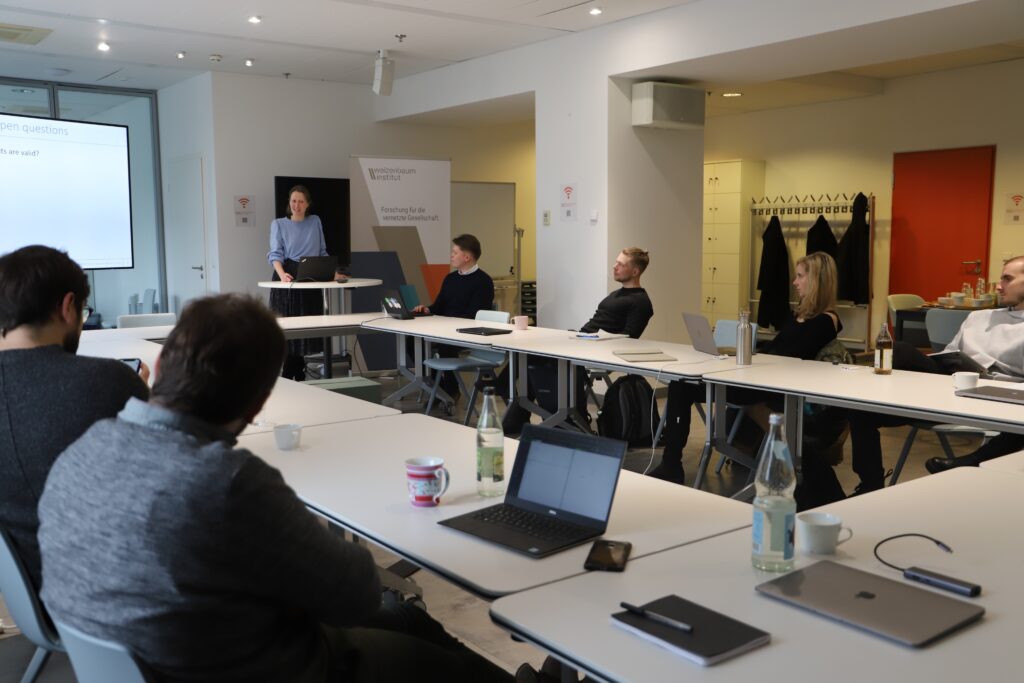
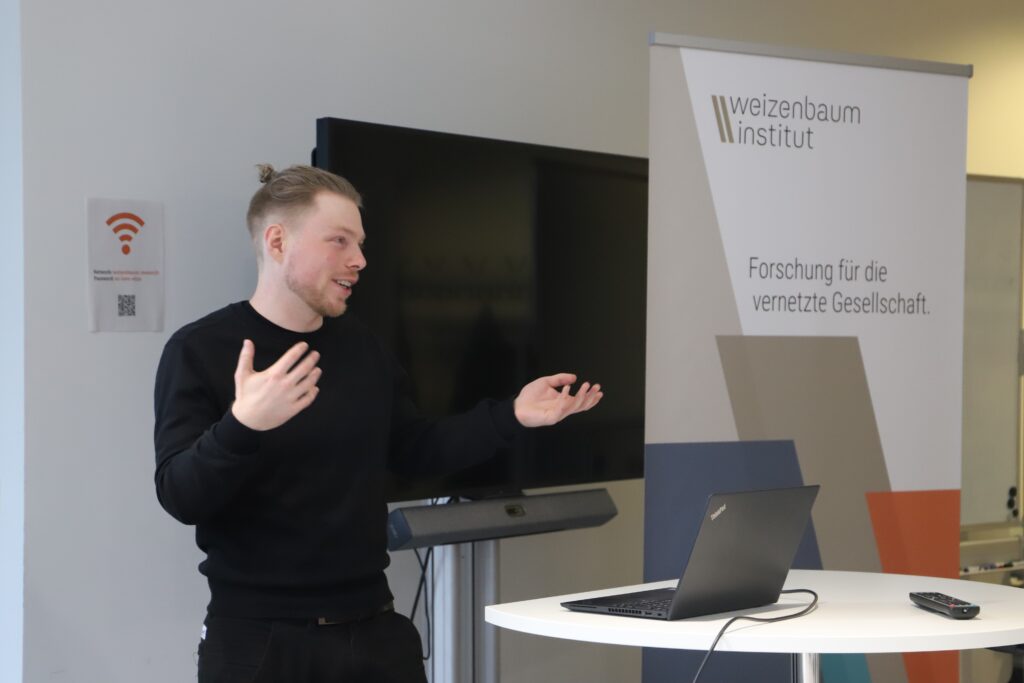
On April 28, 2026, researchers from the WI gathered for an engaging workshop introducing Open Paper – a next-generation content management system designed to break free from the constraints of traditional publishing formats. The session centered on a core idea: knowledge shouldn’t be confined to linear, static documents. Instead, Open Paper enables dynamic, interactive publications that adapt to how readers actually engage with content. By replacing rigid PDFs and blog posts with modular, navigable experiences, the platform empowers authors to create richer, more intuitive reading experiences. The workshop was organized by Merja Mahrt and Esther Görnemann from WI together with the Methods Lab, and Markus Brandenburg and Fabian Hassel from the agency that has developed Open PaperMADEFUL – were invited as speakers.

In the workshop, participants explored how Open Paper transforms static text into living publications. Through a hands-on demo, they discovered features like:

  • Modular content blocks (text, multimedia, citations, sticky notes, animations)
  • Flexible layouts with multi-column arrangements and responsive design
  • Interactive expositions that allow readers to dive deeper into subtopics while maintaining context
  • Self-contained chapters that make content accessible even when read out of order
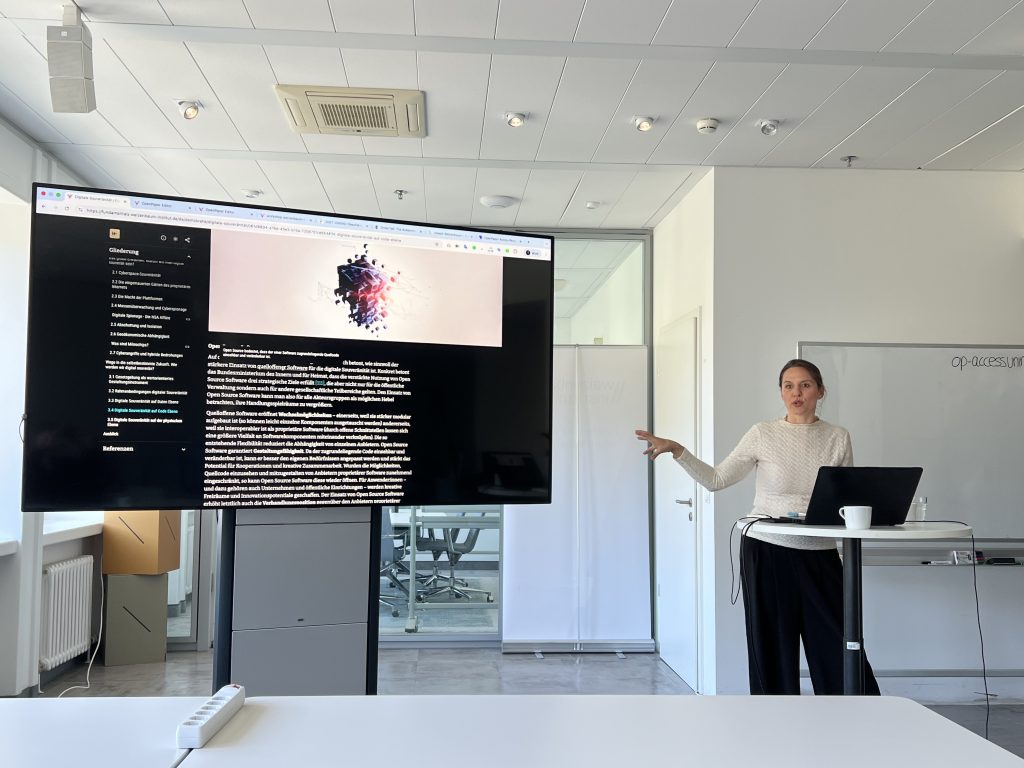
The real impact was seen in an overview over digital sovereignty as part of the Weizenbaum fundamental series – a flagship example of what’s possible. With interactive visuals, side-by-side comparisons, and layered explanations, the publication achieved an average reader engagement of 26 minutes, which is a clear indicator of depth and interest. Even more telling: traffic increasingly comes from AI tools like ChatGPT, signaling that the content is not only readable but reusable and referable in emerging digital workflows.

Beyond design, Open Paper was built on strong ethical and technical foundations: open source, open access, GDPR-compliant, CO₂-neutral hosting, SEO-friendly, and fully accessible. Like the Weizenbaum Institute, other institutions can also deploy a custom instance aligned with their corporate design, ensuring brand consistency and long-term ownership.
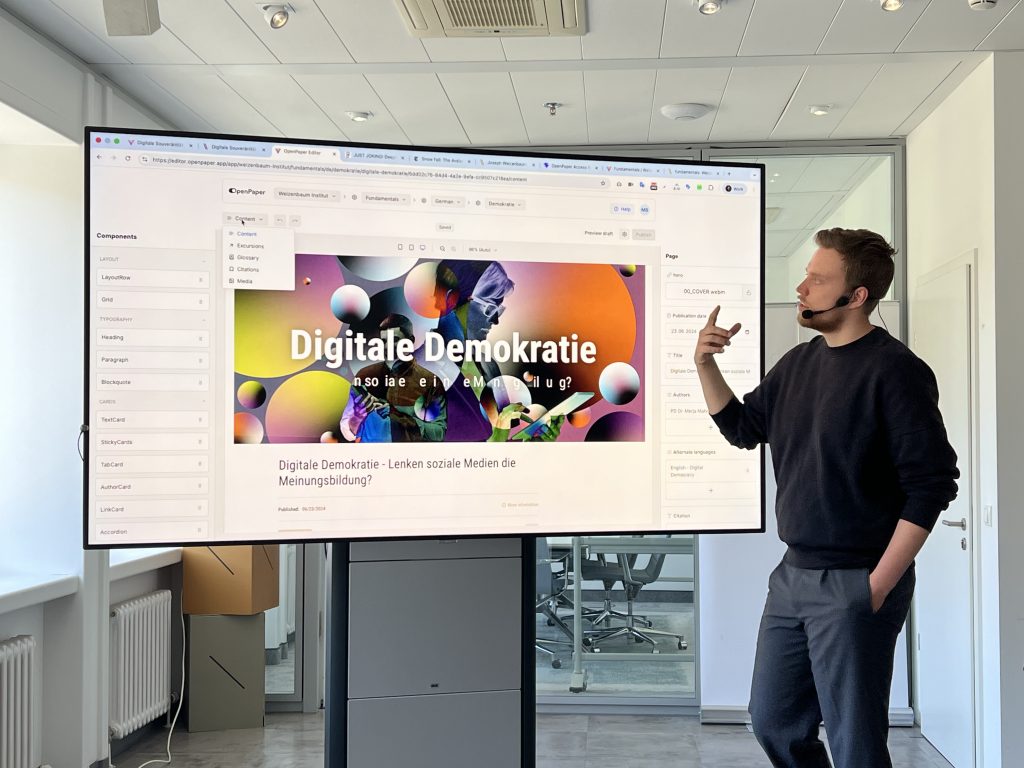
The workshop’s interactive phase let participants discover how to build a page in real time using a three-panel interface:

  • Left: Structure and layout tools (grid, headings, visual elements)
  • Center: Live preview of content and layout
  • Right: Contextual editing options for the selected element

Beyond the workshop itself, the presenters further created a tutorial video made available on the WI’s Open Paper instance.

Rather than offering a one-size-fits-all template, Open Paper encourages authors to think critically about audience, structure, and engagement. It represents a shift in how we think about knowledge sharing: interactive, inclusive, and built for the future.
Workshop Recap: Introduction to Programming and Data Analysis with R (2026 Edition)

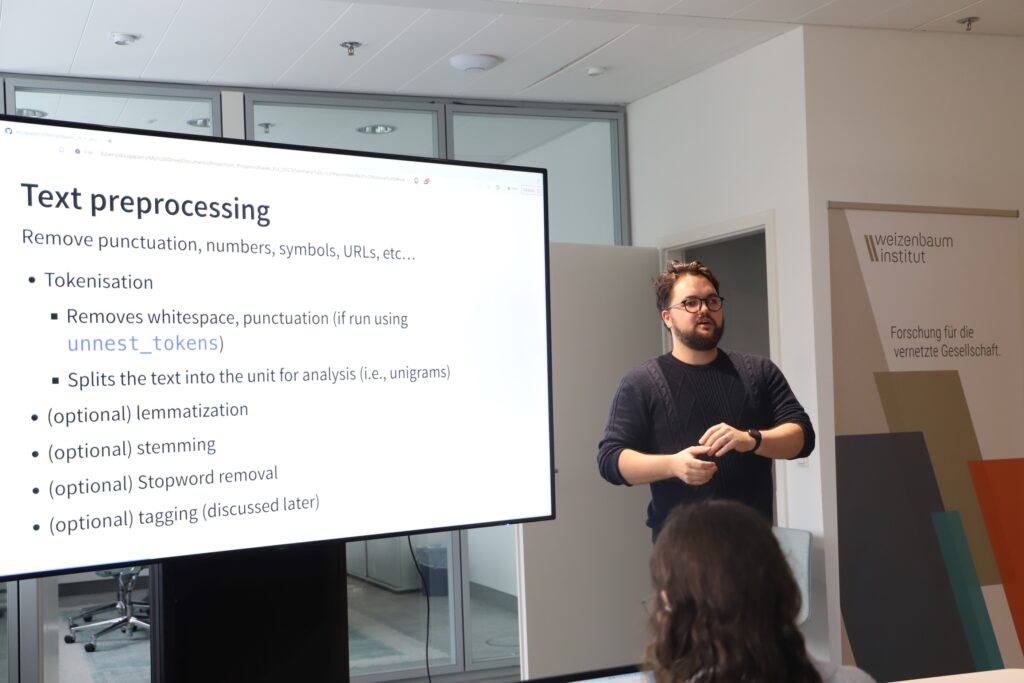
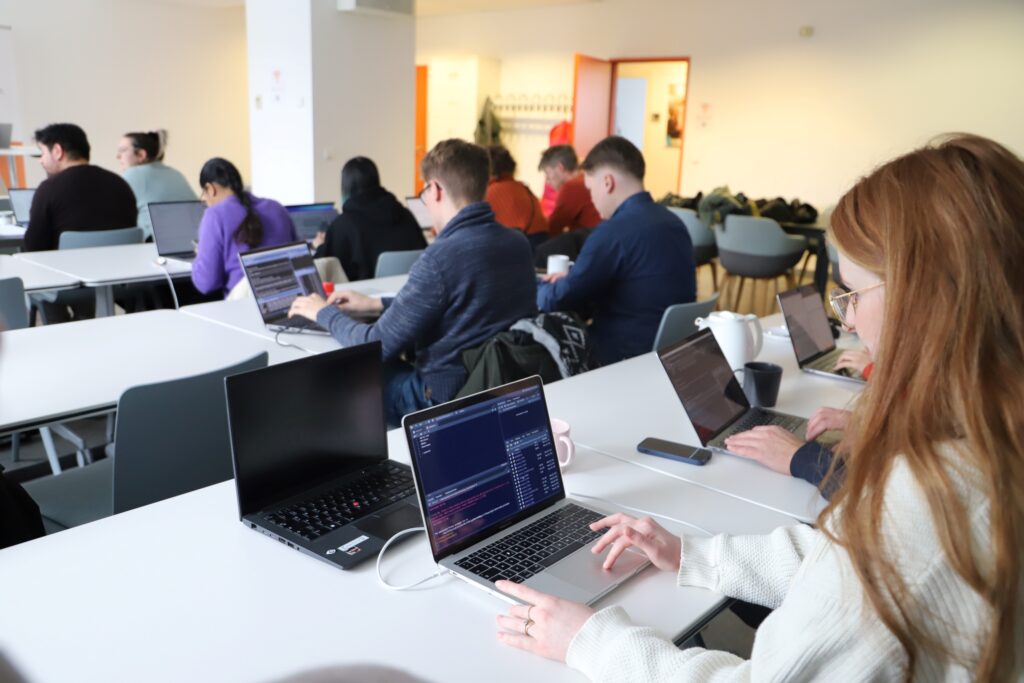
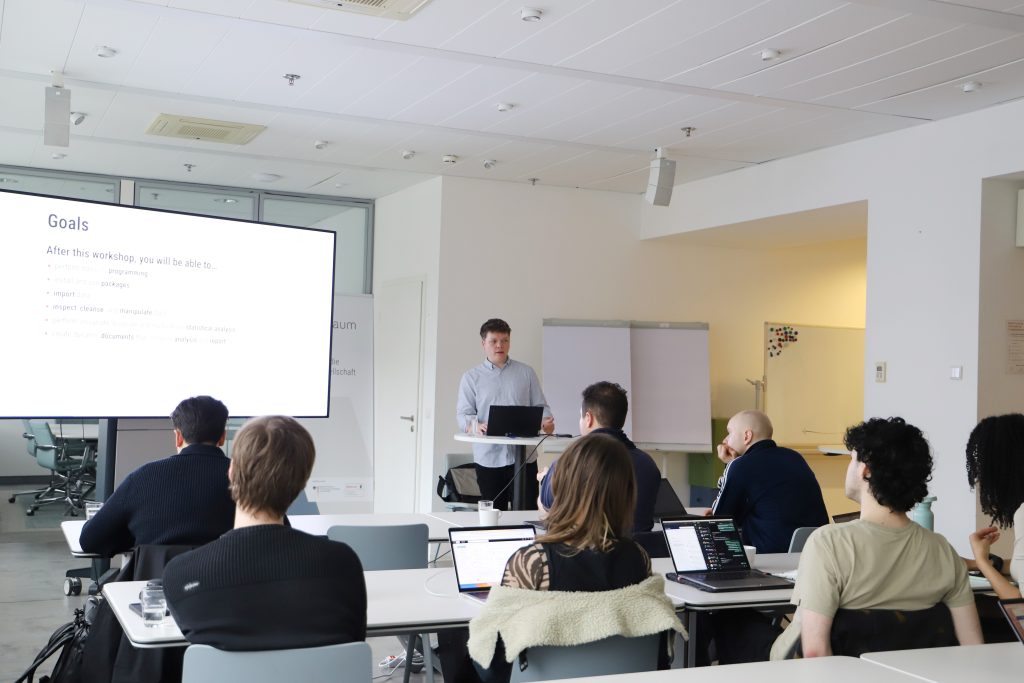
The fourth edition of our Introduction to Programming and Data Analysis with R workshop took place on March 25 and 26, 2026 continuing the tradition of hands-on, beginner-friendly training in R—a powerful tool for data science and statistical analysis. For those who attended previous editions, the structure and content remained familiar and effective: a two-day immersive experience covering the fundamentals of R syntax, Markdown/Quarto, data wrangling, analysis, visualization, and reproducible research practices. If you are new to R, or looking to refresh your skills, this workshop remains a great starting point.

We’re proud to see a consistent number of participants attending each year. The workshop’s format has been shaped by feedback from past attendees, and we have kept the core curriculum intact to ensure a smooth learning curve. If you missed this year’s session, you can still explore the material through our previous recaps:

These posts offer summaries and key takeaways—perfect for catching up or preparing for the next edition. Stay tuned for updates on the 2027 workshop, and keep coding with R! 📊💻

New publication: The quality and quantity of mobile media use

In a world where smartphones are rarely out of reach, the conversation around mobile media use has long centered on one metric: screen time. But what if the real story isn’t about duration, but about how we use these devices?

The Methods Lab is proud to share a new publication in Computers in Human Behavior Reports, authored by Roland Toth, Aurelio Fernández, Javier García-Manglano, and Pedro de la Rosa. Titled Quality and quantity: The role of gratification and situation variety when measuring mobile media use, this study challenges the dominance of screen time and proposes a more meaningful way to understand smartphone engagement. This publication is a result of a cooperation between the Methods Lab and the Institute for Culture and Society at the University of Navarra that was initiated with a research stay in 2023.

Using data from 1,525 Spanish emerging adults across three waves of a national panel study, the researchers suggest that the variety of gratifications (such as staying informed, socializing, organizing, or escaping stress) and the diversity of situations (different combinations of places, activities, and social settings) play an important role when measuring mobile media use more comprehensively. Both were stronger predictors of mobile vigilance (our constant mental and behavioral attention to devices) than the duration spent using them. Situation variety was particularly strongly linked to mobile vigilance. This suggests that the true significance of smartphone use lies not in how long we use it, but in how deeply and broadly it’s woven into daily life.

The findings challenge the idea that screen time alone captures meaningful engagement. Instead, they highlight that smartphones are not just tools for consumption, but dynamic instruments of identity, connection, and routine – especially when used across varied purposes and contexts. This paper calls for a shift in research: measuring not just how much, but to what extent people leverage their devices. By integrating quality dimensions like gratification and situation variety, researchers can gain a richer, more expressive picture of digital behavior.

As mobile media evolve, so must our methods. This work is a step toward a more human-centered understanding of digital life – one that values depth over duration.

New publication: Methodological biases of the Mobile Experience Sampling Method

The Methods Lab is excited to share a new publication in Journal of Quantitative Description: Digital Media, authored by researchers Jakob Ohme, Timothy Charlton, Roland Toth, Theo Araujo, and Claes H. de Vreese. This paper, titled Bursting Self-reports? Comparing Sampling Frequency Effects of Mobile Experience Sampling Method on Compliance, Attrition, and Sample Biases, explores the effects of different sampling frequencies in experience sampling studies on compliance, sample biases, and reactivity of measures in the context of digital media use.

The study presents an analysis of the impact of daily-intensive burst measures (seven surveys per day) versus hourly-intensive burst measures (12 surveys over two hours per day) on compliance, attrition, and sample biases. To do so, the authors used data collected through the Mobile Experience Sampling Method (MESM) with a mobile-only sample of Dutch Internet users. They reveal differences in compliance, attrition, and sample biases between the two sampling frequency designs.

The results indicate general problems with MESM studies, such as sample attrition during onboarding and sample biases due to age, education, tech savviness, and privacy literacy. They also show that hourly-intensive burst measures lead to lower MESM protocol compliance compared to a more spread-out sampling schedule. However, the study also finds that the average response rate across seven study days does not strongly decrease, suggesting that while the number of measurements may be lower using hourly-intensive burst measures, the day-to-day decrease is a minor issue.

The study highlights the importance of considering systematic biases in MESM studies, particularly during the recruitment phase, and suggests that researchers should be transparent and mindful about these. The findings have implications for future ESM studies with high-frequency sampling, suggesting that researchers should carefully consider the sampling frequency design to minimize biases and ensure high-quality data.

Mobile methods panel at ICA 2025

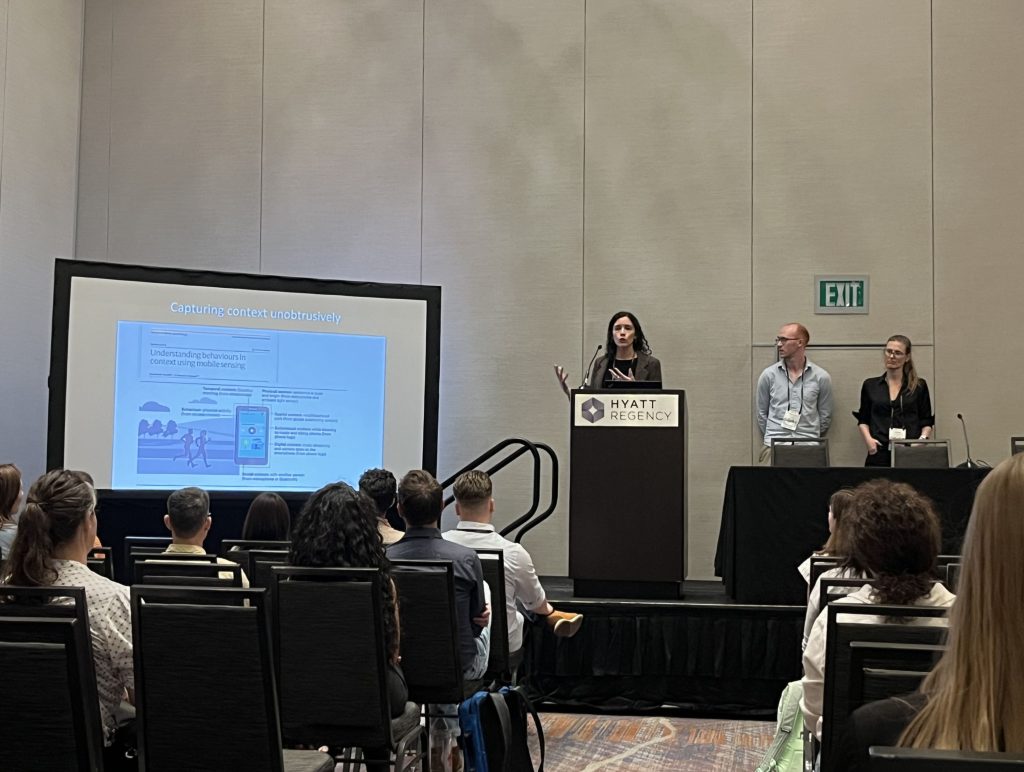
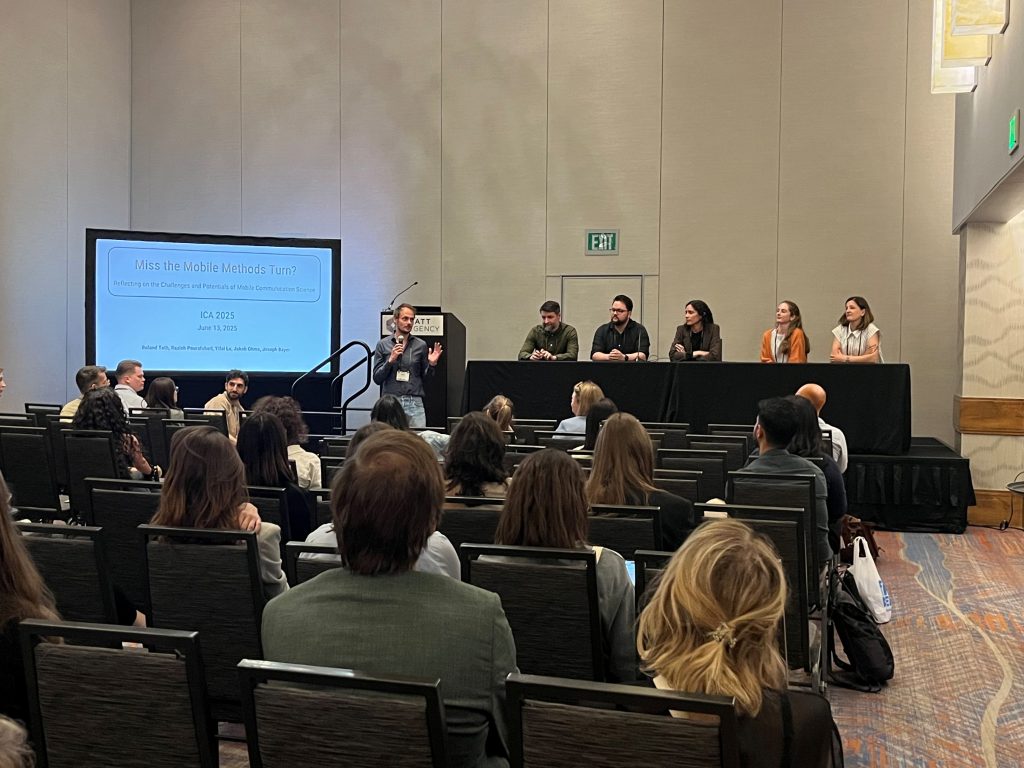
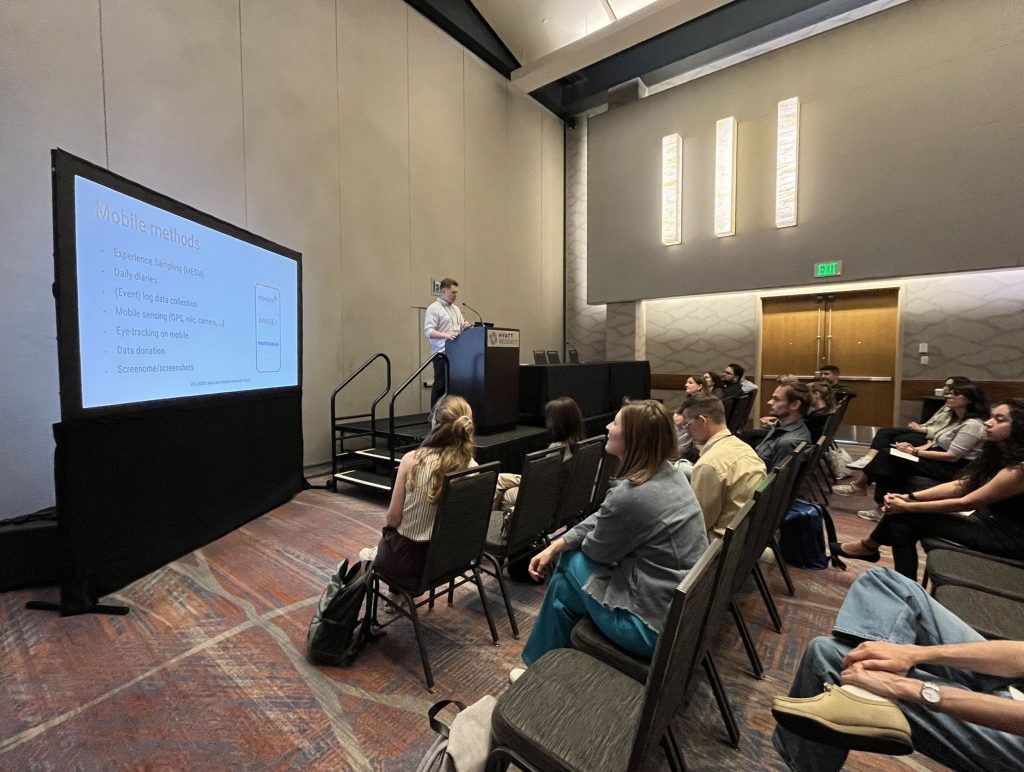
Every year, the International Communication Association (ICA) organizes a conference where communication scholars from around the globe present and discuss their current research. In June 2025, the conference took place in Denver, USA, and many Weizenbaum Institute researchers contributed to it. Among others, Methods Lab member Roland Toth, together with colleague Jakob Ohme, former fellow Joseph Bayer (Ohio State University), and his team members Razieh Pourafshari and Yifei Lu, organized a conference panel called “Miss the Mobile Methods Turn? Reflecting on the Challenges and Potentials of Mobile Communication Science”.

Many social scientists use mobile data collection methods, such as the Ecological Momentary Assessment, data donations, or event log data, but there are hardly any standards or guidelines to work with. The panel addressed this lack of standardization and accessibility of mobile methods within and outside of communication science. In the introduction to the panel, the issue was outlined and attendees were asked to complete a short survey about their expertise regarding different mobile methods, problems they recognized, and whether and to what extent they are willing to contribute to future initiatives to improve the situation.

After the introduction, experienced mobile communication scholars presented examples of empirical research that highlight current practices, challenges, and future perspectives associated with mobile methods. Following these short talks, the presenters, attendees, and organizers discussed possible standards, priorities, and endeavors to strengthen this growing research area, as well as how the community can organize to support the use of mobile methods to the Communication field at-large.

The panel was received well and paved the way for further steps to gradually tackle these issues. The discussion shed light on the wide interdisciplinary use of mobile methods and their relevance, both in and beyond communication science, that goes along with that. It showed that there currently is potential for all panel presenters, attendees, and organizers, but also other communication researchers, to contribute to the advancement of mobile methods across fields, which the Weizenbaum Institute aims to participate in. Accordingly, based on the results of the survey, future initiatives such as white papers, methods reviews, or workshops addressing the current state and standardization of mobile methods will be planned. Stay tuned for these in the future!

Workshop Recap: Open Research – Principles, Practices, and Implementation

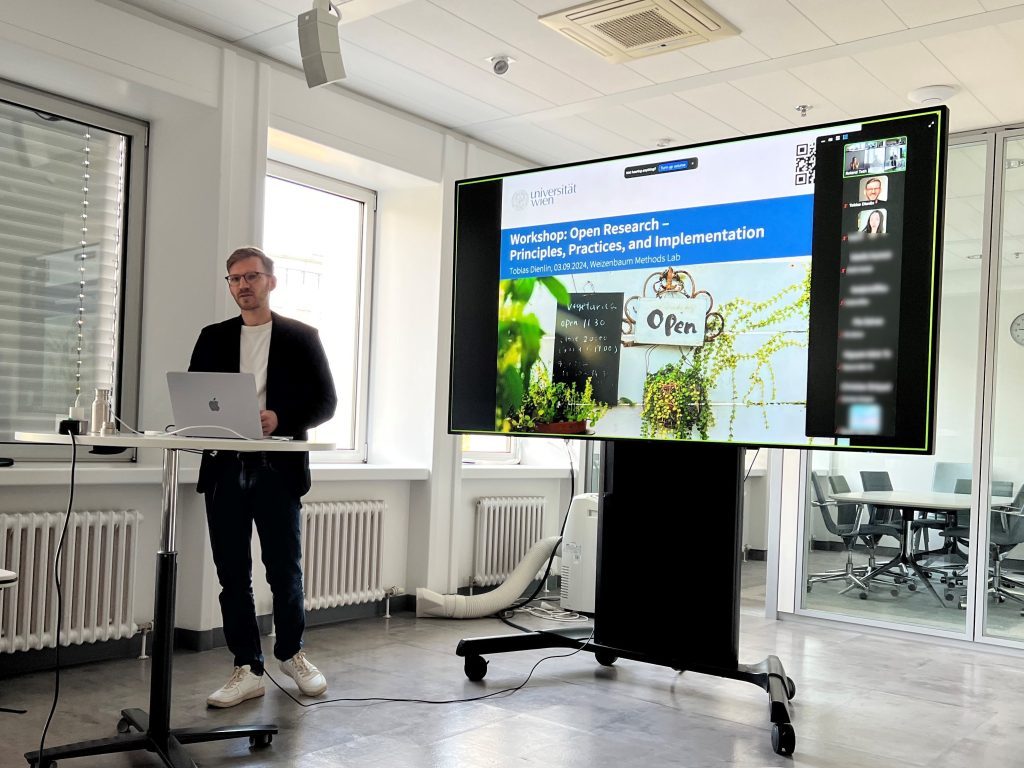
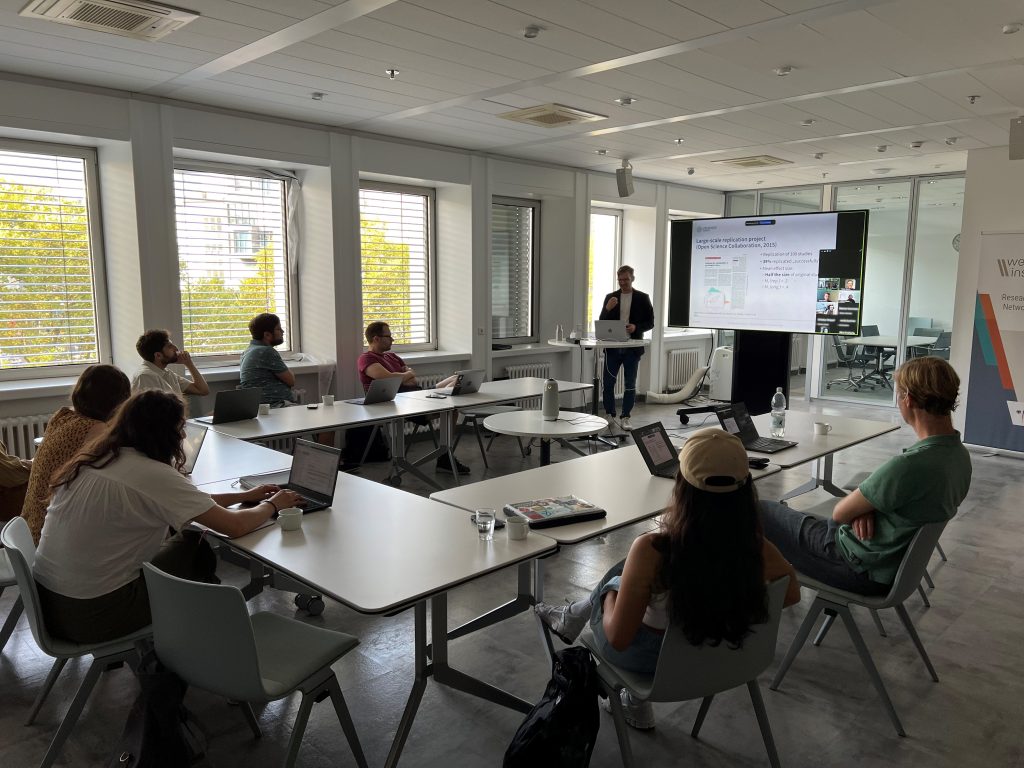
On September 3 2024, Tobias Dienlin from the University of Vienna held the workshop Open Research – Principles, Practices, and Implementation at WI. In this workshop, he gave an overview of Open Research and its motivations, relevance, and formal and technical implementation.

In the first part of the workshop, Tobias argued that certain problems and values in science are the main reasons why researchers should practice Open Research. The problems included the replication crisis (a lack of or low quality of replication studies, especially in the social sciences), questionable research practices (p-hacking, HARKing, errors), and publication bias (journals prefer exciting, expected, and significant results). The values in question included openness as a foundation of science itself and the dedication to scientific advancement instead of emphasizing individuals that achieve it.

In the second part, the formal practices of Open Research were discussed. Tobias first clarified the differences between the terms Open Science, Open Research, and Open Scholarship. To achieve a culture of Open Research, he suggested aiming for open access, pre-/post-printing, open reviews, author contribution statements, open teaching, and citizen science. While these practices ususally require additional work, the burden can be lowered by already considering and preparing them in the initial stages of a research project. For instance, by implementing two of the most important Open Research practices: Preregistrations and registered reports.

  • In a preregistration, any details of a study that are already fixed (e.g., theoretical foundation, research questions, hypotheses, analysis methods, …) are published before conducting the study itself. After conducting the study, the preregistration is referred to in the manuscript, and possible deviations from it are explained. This procedure reduces the possibility and risk of p-hacking and HARKing, and under specific circumstances a preregistration can even take place after the data have already been collected.
  • A registered report is a more elaborate version of a preregistration. It consists of all parts of a submission that do not involve the analysis and the results. The submission can therefore be reviewed before the data and results even exist. This way, reviewers are not influenced by results and publication bias can be avoided. While a preregistration can be published anywhere, the registered report format needs to be offered by the journal itself.

In the last part of the workshop, the focus was on tools and software that help implement Open Research practices. For example, the free-to-use repository OSF can be used for pre-/post-prints, preregistrations, and online supplementary materials such as data, analysis code, or questionnaires. As an exercise, Tobias gave participants the opportunity to implement a basic preregistration or registered report on OSF for a research project they were working on already and try different features, such as linking it to a repository on GitHub. After summarizing the insights of the workshop, Tobias concluded by showing a fitting statement:

Open Science: Just Science Done Right.

During the workshop, participants had plenty of space to ask questions, discuss with everyone or in separate breakout rooms, and interact in various ways. We would like to thank Tobias for this insightful workshop and strongly encourage the implementation of Open Research.

Recap: Digital Methods Colloquium (December 7, 2023)

Digital and computational data collection and analysis methods such as mobile/internet tracking, experience sampling, web scraping, text mining, machine learning, and image recognition have become more relevant than ever in the social sciences. While these methods enable new avenues of inquiry, they also present many challenges. It is important to share and discuss research, experiences, and challenges surrounding these methods with other researchers to exchange ideas and to learn from experiences.

For this reason, Roland Toth from the Methods Lab and research fellow Douglas Parry organized the Digital Methods Colloquium that took place on December 7 at the Weizenbaum Institute. They invited researchers from all over Germany who had used such methods before. The focus lied on sharing not only successes, but – even more so – the challenges that they had experienced in the research process.

In the first part of the colloquium, participants presented recent or past research projects for which they had used digital methods. The presentations covered various methods, including experience sampling, mobile logging/tracking, multimodal content classification, network analysis, and large language models. All presentations were received very well and led to high engagement with many questions and exchanges from the participants.

The second part of the colloquium was designed to facilitate interactive discussion and knowledge sharing among the participants. They were assigned to one of two discussion groups that focused on either data collection or data analysis in the context of digital methods. In each group, participants followed prompts and discussed urgent issues and possible solutions, which they then visualized using posters. Finally, both groups sat together and presented the posters to each other, leading to a final discussion. After a short wrap-up, some participants joined the hosts at the Christmas Market for a well-deserved hot beverage.

The hosts would like to thank all participants for attending and engaging in the Digital Methods Colloquium. Bringing together researchers from different fields demonstrated that there are more commonalities than differences when it comes to the challenging and exciting field of digital methods. We are looking forward to more exchange and, possibly, Part 2 of the Digital Methods Colloquium sometime in the future.

Workshop Recap: A Practical Introduction to Text Analysis (November 30, 2023)

On November 30th, 2023, the Methods Lab organized a workshop on quantitative text analysis. The workshop was conducted by Douglas Parry (Stellenbosch University) and covered the whole process of text analysis from data preparation to the visualization of sentiments or topics identified.

In the first half of the workshop, Douglas covered the first steps involved in text analysis, such as tokenization (the transformation of texts into smaller parts like single words or consecutive words), the removal of “stop words” (words that do not contain meaningful information), and the aggregation of content by meta-information (authors, books, chapters, etc.). Apart from the investigation of the frequency with which terms occur, sentiment analysis using existing dictionaries was also addressed. This technique involves assigning values to each word representing certain targeted characteristics (e.g., emotionality/polarity), which in turn allows for comparing overall sentiments between different corpora. Finally, the visualization of word occurrences and sentiments was covered. After this introduction, participants had the chance to apply their knowledge using the programming language R by solving tasks with texts Douglas provided.

In the second half of the workshop, Douglas focused on different methods of topic modeling, which ultimately attempt to assign texts to latent topics based on the words they contain. In comparison to simpler procedures covered in the first half of the workshop, topic models can also consider the context of words within the texts. Specifically, Douglas introduced participants to Latent Dirichlet Allocation (LDA), Correlated Topic Modeling (CTM), and Structural Topic Modeling (STM). One of the most important decisions to be made for any such model is the number of topics to emerge: too few may dilute nuances within topics and too many may lead to redundancies. The visualization and – most importantly – limitations of topic modeling were also discussed before participants performed topic modeling themselves with the data provided earlier. Finally, Douglas concluded with a summary of everything covered and an overview of advanced subjects in text analysis.

The workshop was very well-received and prepared all participants for text analysis in the future. Douglas balanced lecture-style sections and well-prepared, hands-on application very well and provided all materials in a way that participants could focus on the tasks at hand, while following a logical structure throughout. We would like to thank him for this great introduction to text analysis!

Workshop Recap: Theory Construction – Building and Advancing Theories for Empirical Social Science (September 14, 2023)

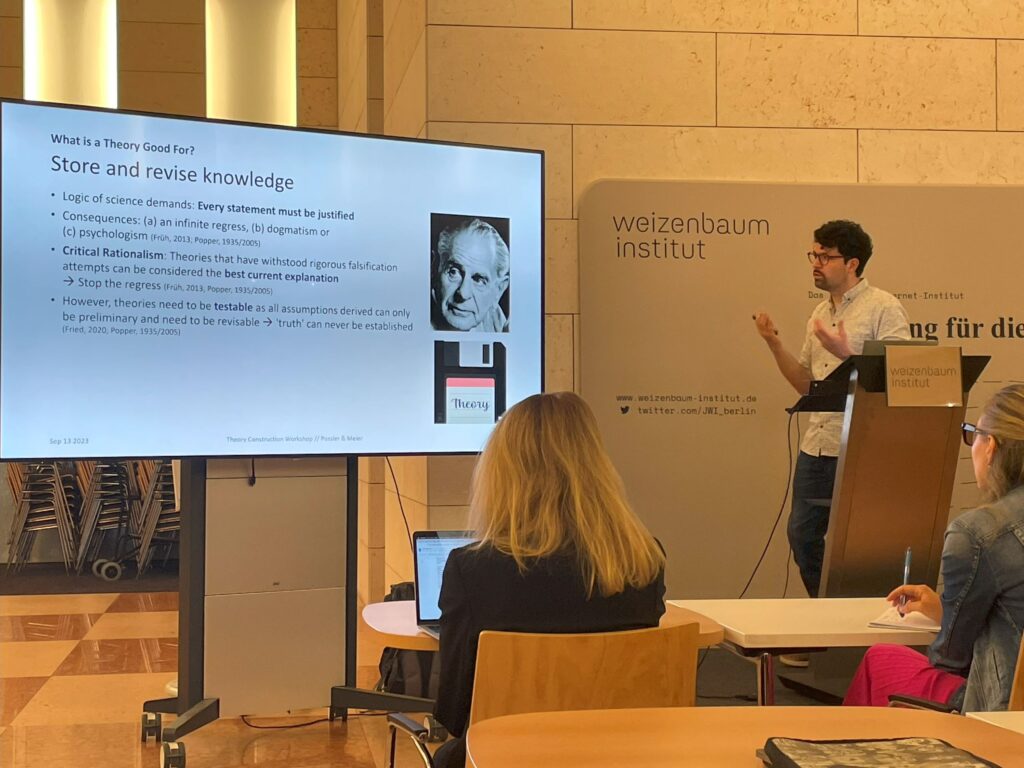
On September 14th, 2023, the Methods Lab organized a workshop on the rationale and methodology of theory building in empirical research. The workshop was conducted by Adrian Meier (U of Erlangen-Nürnberg) and aimed to provide participants with an orientation for working with theories in a meaningful way that provides a foundation for empirical research.

In the first section of the workshop, Adrian outlined what theories are and how they relate to the overarching mission of science. The introduction focused on the differentiation between theories, concepts, constructs, and models and addressed the interplay between theories and empirical research.

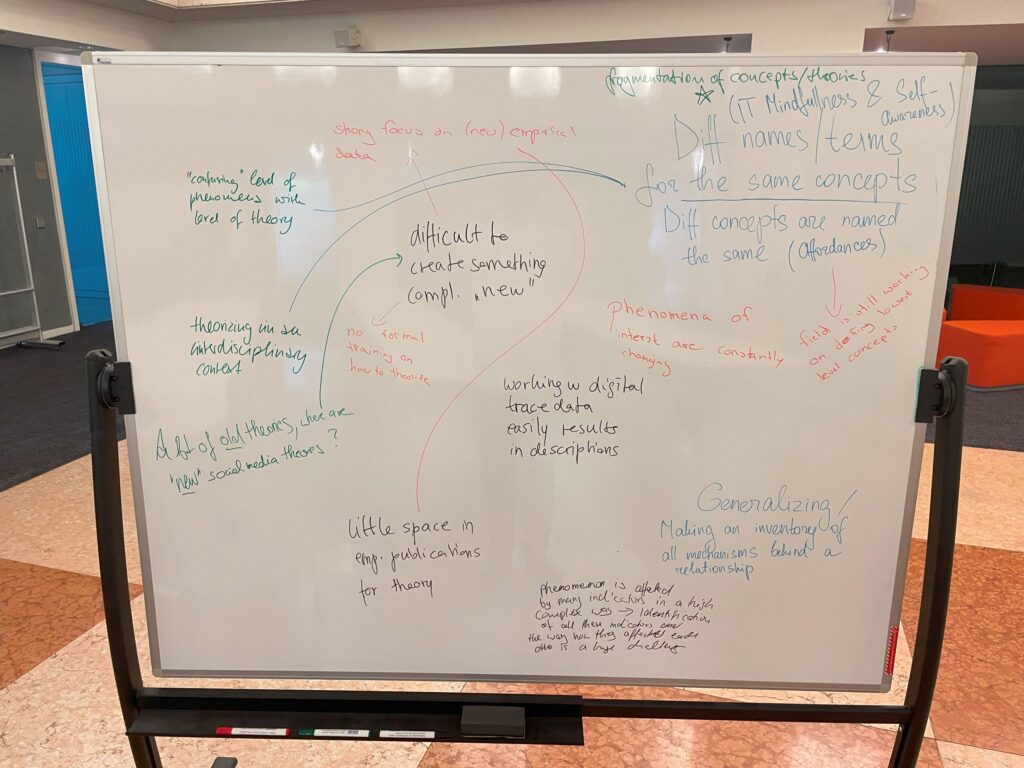
After this introduction, the focus shifted to challenges and problems of social scientific theorizing. Participants were given the opportunity to add issues and questions they identified in the past when working with theories. Most prominently, they mentioned confusion due to different terminology that is used for specific concepts (i.e., synonymy and ambiguity), the “moving target” problem (as phenomena are changing while they are being studied), and the lack of incentivization to focus on theory in the formalized infrastructure of empirical research. Adrian elaborated on some of the underlying issues uniting many of these challenges: Theories are underdetermined by evidence, concepts and measurement instruments are rarely validated, and manipulations in experimental research are not precise enough.

In the last section of the workshop, participants learned about a recently proposed Theory Construction Methodology (Borsboom et al., 2021) and took part in an accompanying exercise. They were asked to read a one-pager summarizing crucial elements of the Mood Management Theory, a popular theory in the field of media psychology. Within this text, they should identify statements about phenomena the theory is supposed to explain, data that supported it (or not), as well as the theoretical statements (e.g., premises, propositions) themselves, to increase participants‘ sensitivity in differentiating between these elements in their own work. Lastly, Adrian gave an outlook on how theories can be formalized and how theory construction can be crucially fostered by non-confirmatory research practices.

The workshop was a great and unconventional addition to this year’s series of workshops organized by the Methods Lab. Adrian structured and executed it brilliantly and gave participants – who were associated with various fields of research and very engaged – lots of room for discussions.

We would like to thank Adrian for his thorough and inspiring workshop and hope he will contribute to the Methods Lab program again in the future. In the meantime, we recommend following him on X for updates on his research!

Launch of the Weizenbaum Panel Data Explorer

We are excited to announce the launch of the Weizenbaum Panel Data Explorer, an interactive website developed by Methods Lab member Roland Toth. The Data Explorer allows you to browse and analyze survey results from the annual survey conducted by the Weizenbaum Panel on media use, political participation, civic norms, and more. In the spirit of open science, it not only presents research data, but also in an easy-to-use manner.

The Weizenbaum Panel aims to shed light on the complex relationship between the digital realm and political engagement. By examining phenomena such as hate speech and fake news, as well as the active commitment to a democratic culture of debate, the telephone survey offers invaluable insights into the ever-evolving dynamics of citizen participation in Germany.

With the launch of Data Explorer, you can explore this comprehensive dataset and gain a deeper understanding of Germany’s social and political landscape. The platform offers six categories: social media platform use, political attitudes, civic norms, political participation, and online civic intervention. Each category presents a unique perspective, allowing you to examine specific aspects of Germany’s social and political fabric.

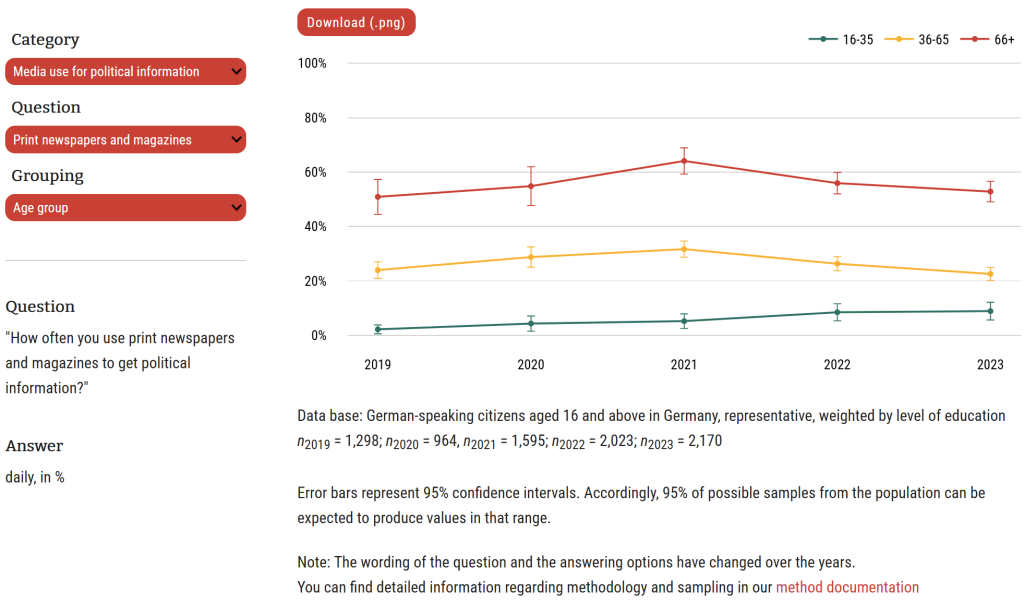
To begin your exploration, simply select a category that piques your interest. Within each category, you will find a selection of questions to delve into. Whether you want to gauge the political news media consumption of the German public, analyze trends in the use of video platforms such as TikTok and Instagram, or find out how often people discuss political issues at work, or with friends and family, the Data Explorer will assist you in this endeavor.

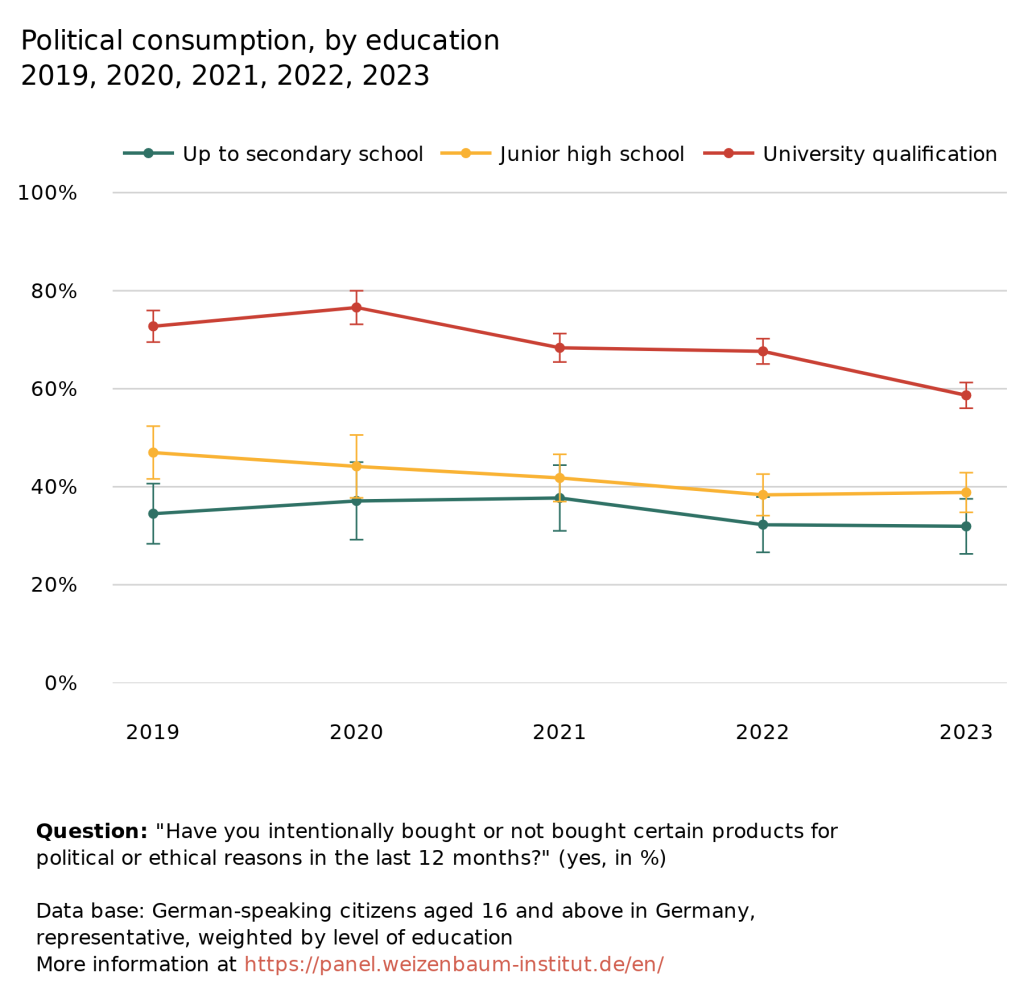
For a nuanced understanding of how different groups within the population engage in social and political activities, you can group the data output by selecting the demographic factors gender, age, level of education, or residence. Moreover, to enhance your experience and facilitate data sharing, you can download any graph in .png format. Each graph includes the question, answering options, and grouping, providing a comprehensive visual representation of the desired data.

The Weizenbaum Data Explorer was developed in Python/Jupyterhub and deployed using Voilà, which are all open-source. It is hosted on Weizenbaum Institute servers, which ensures adequate data protection. This is not the case for typical solutions such as using R Shiny and the deployment platform shinyapps.io. The Data Explorer will be expanded continuously – for example, the fourth wave of the Weizenbaum Panel will be integrated soon.

Whether you’re a researcher, journalist, student, or simply someone curious about Germany’s social and political landscape, the Weizenbaum Panel Data Explorer equips you with the tools to visualize data effortlessly. Happy exploring!